
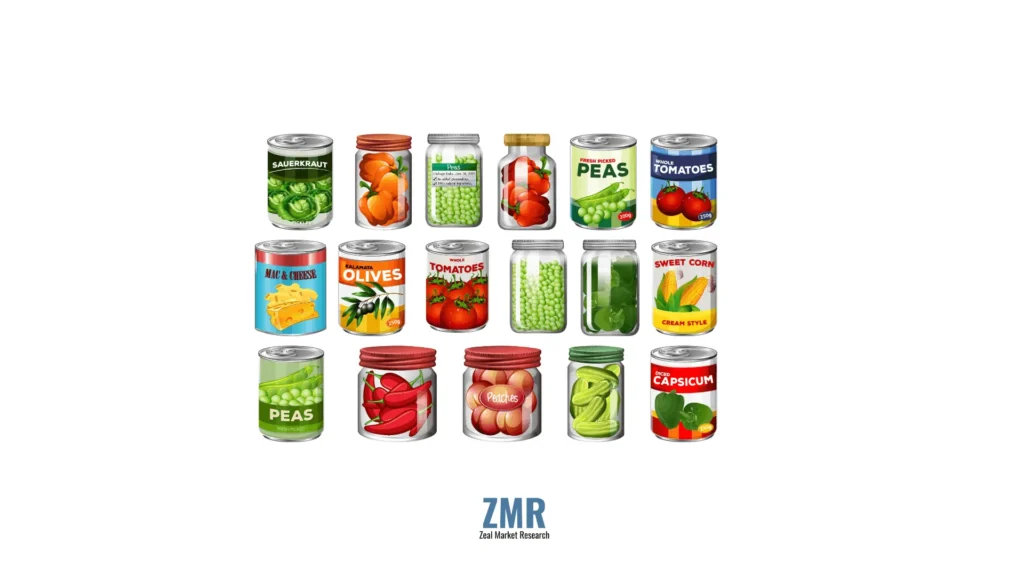
Canned vegetables are gaining steady popularity as consumers increasingly prioritize convenience, long shelf life, affordability, and reduced food waste. Changing dietary habits, rising urbanization, and growing demand for ready-to-use food products are encouraging households and foodservice providers to incorporate canned vegetables into everyday meals.
At the same time, advancements in food preservation technologies, sustainable packaging solutions, and clean-label formulations are driving product innovation across the industry. In addition, governments and food organizations are increasingly emphasizing the importance of shelf-stable foods in supporting food security and emergency preparedness initiatives.
As a result of these evolving consumer and industry trends, the global market continues to witness steady growth. According to the latest report published by Zeal Market Research, the global canned vegetables market size is projected to reach US$ 45.8 billion by 2031, growing at a CAGR of 6.1% during the forecast period (2026–2031).
Some of the key trends shaping canned vegetables industry are as follows:
1. Shelf-Stable and Convenience-Focused Consumption
The increasing demand for convenient food products continues to support the consumption of canned vegetables across both developed and developing regions. Consumers with busy lifestyles are seeking products that reduce meal preparation time while offering consistent availability throughout the year. Canned vegetables eliminate the need for washing, peeling, and cutting, making them suitable for quick home cooking, institutional kitchens, and foodservice operations.
In addition, the long shelf life of canned vegetables allows consumers to store products for extended periods without refrigeration before opening. This makes them particularly valuable in regions with limited cold-chain infrastructure and during periods of supply chain disruption or seasonal fluctuations in fresh produce availability.
2. Growing Focus on Food Waste Reduction
Food waste reduction has become an important global priority across governments, retailers, and consumers. Fresh vegetables are highly perishable and often discarded due to spoilage during transportation, storage, or household use. Canned vegetables help address this issue by significantly extending product usability and reducing post-harvest losses.
Retailers and foodservice providers are increasingly incorporating canned vegetables into inventory management strategies because of their predictable shelf life and lower spoilage risk. Consumers are also recognizing the economic benefits of purchasing vegetables that can be stored for months without deterioration in quality.
3. Sustainable and Recyclable Packaging
Sustainability is becoming a major focus within the canned food industry as manufacturers adopt environmentally responsible packaging practices. Metal cans are widely recyclable and can be reused multiple times without significant loss of material quality, making them a preferred packaging format in circular economy initiatives.
Manufacturers are also investing in lightweight can designs, reduced packaging waste, and lower-emission production processes to improve environmental performance. In addition, canned vegetables require less refrigerated storage and transportation compared to fresh produce, helping reduce overall energy consumption across supply chains.
4. Rising Demand for Clean-Label Products
Consumers are increasingly paying attention to ingredient transparency and nutritional content in processed food products. This has encouraged manufacturers to introduce canned vegetables with reduced sodium levels, fewer artificial preservatives, and BPA-free packaging materials.
Clean-label positioning is also driving demand for products with simple ingredient lists and minimal processing claims. Organic canned vegetables and non-GMO product offerings are gaining popularity among health-conscious consumers seeking convenient food options without compromising dietary preferences or nutritional standards.
5. Advancements in Food Preservation Technologies
Technological advancements in food preservation and packaging are improving the quality and consumer perception of canned vegetables. Modern sterilization and thermal processing techniques are helping maintain the texture, color, flavor, and nutritional value of vegetables more effectively than older preservation methods.
Improved vacuum sealing technologies and advanced can coatings are also enhancing product safety and shelf stability. These innovations are enabling manufacturers to extend shelf life while maintaining consistent product quality and compliance with evolving food safety standards.
6. Expansion of Food Security and Emergency Preparedness Programs
Governments and humanitarian organizations increasingly recognize shelf-stable foods as essential components of food security and emergency response systems. Canned vegetables are commonly included in disaster relief supplies, military food programs, and public emergency reserves because they are durable, transportable, and nutritionally reliable.
The growing frequency of climate-related disasters, geopolitical disruptions, and supply chain uncertainties has further strengthened the importance of long-lasting food products. This trend is contributing to stable institutional demand for canned vegetables across multiple regions.
7. Increasing Popularity of Plant-Based Diets
The growing shift toward plant-based and flexitarian eating habits is contributing to higher vegetable consumption globally. Consumers are incorporating more plant-derived foods into their diets for health, environmental, and lifestyle reasons, increasing demand for convenient vegetable options.
Canned beans, peas, mushrooms, corn, spinach, and mixed vegetables are increasingly used in soups, salads, ready meals, and protein-rich recipes. Their affordability and year-round availability make canned vegetables accessible to a broad consumer base adopting plant-focused diets.
8. Rising Pantry Stocking Habits
Changing consumer purchasing behavior and economic uncertainty are encouraging households to maintain larger supplies of non-perishable food products. Canned vegetables are widely viewed as reliable pantry staples because of their affordability, convenience, and long storage life.
Periods of inflation, supply chain disruption, and extreme weather events have reinforced consumer interest in maintaining emergency food reserves. This behavior continues to support steady demand for shelf-stable vegetable products across retail channels.
9. Premium and Value-Added Product Innovation
Manufacturers are increasingly expanding their product portfolios with premium and value-added canned vegetable offerings. Products featuring organic ingredients, seasoned vegetable blends, gourmet recipes, and specialty vegetables are attracting consumers seeking higher-quality meal solutions.
Value-added innovation is also extending into convenience-focused formats such as ready-to-cook vegetable mixes, microwave-compatible packaging, and flavored vegetable combinations. These products help manufacturers differentiate themselves in an increasingly competitive food industry.
10. Stronger Emphasis on Food Safety and Label Transparency
Food safety regulations and labeling requirements are becoming increasingly stringent across global food industries. Manufacturers are investing in improved traceability systems, quality assurance procedures, and transparent labeling practices to comply with evolving regulatory standards.
Consumers are also demanding clearer information regarding ingredient sourcing, nutritional values, allergen disclosures, and packaging materials. As a result, canned vegetable producers are focusing on compliance, product consistency, and consumer trust to strengthen brand reputation and market competitiveness.
Final Word
Canned vegetables continue to evolve through technological advancements, sustainability initiatives, and changing consumer preferences. As demand for convenient, affordable, and long-lasting food products continues to rise, canned vegetables are expected to remain an essential part of modern food consumption patterns.